
At a company · Product Manager, Microsoft Workspace · 2024–2025
Product at a large company, with Microsoft in the middle
Microsoft products, services and training for SMEs at acens (Telefónica Tech).
- Status
- In production
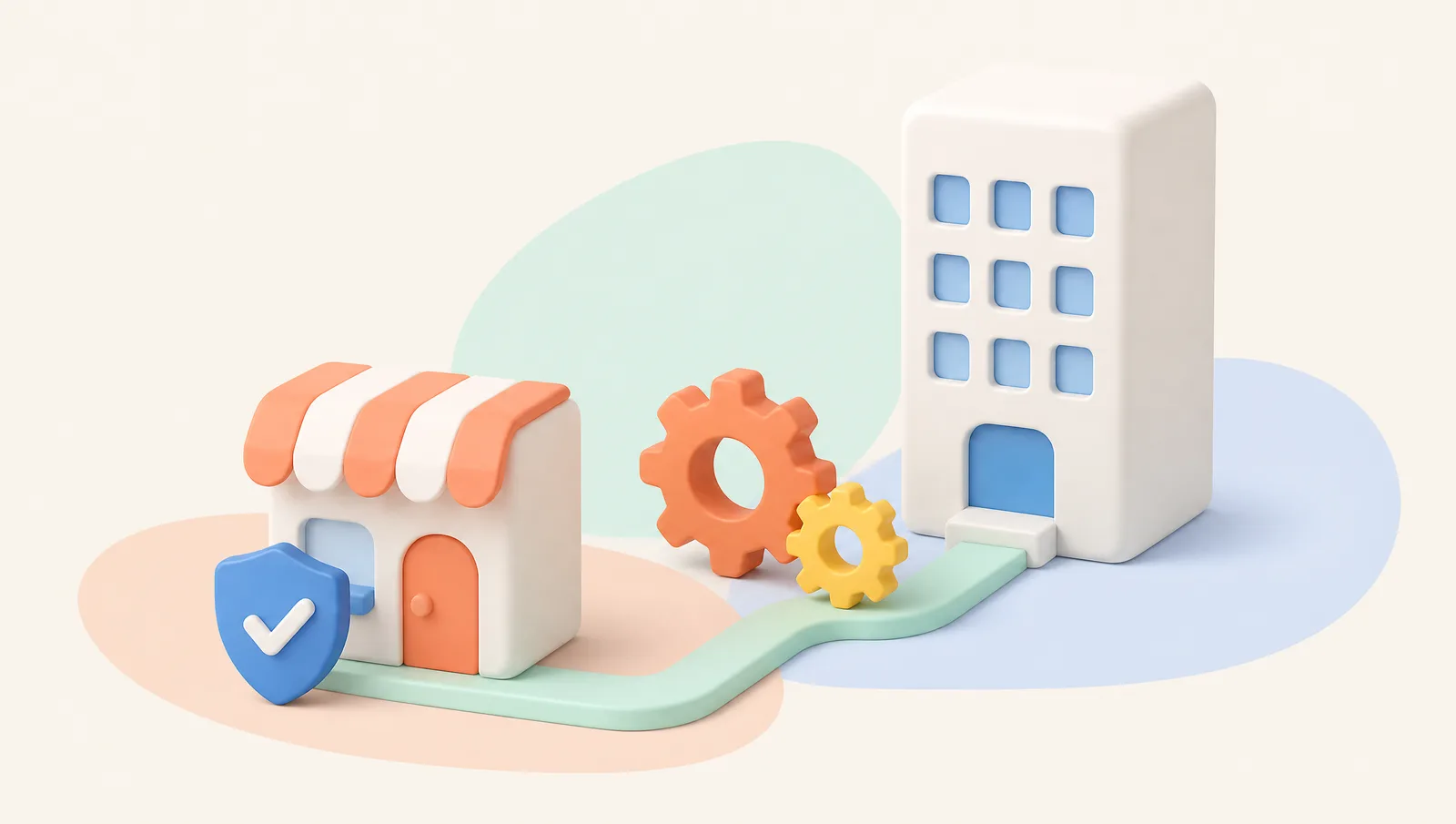
The problem
An SME doesn't want Microsoft licences. It wants the business to run and to be protected.
Between those two things, there was a product to build.
Many SMEs needed Microsoft's tools, but didn't know how to get the most out of them or how to stay protected with them. Selling the licence on its own didn't solve that.
At acens (Telefónica Tech), every product needed its own business case and go-to-market plan, defended in front of leadership.
And Microsoft sat in the middle: a giant partner with its own rules. Everything we launched had to fit them.
What I did
Seven months as Product Manager for Microsoft Workspace at acens. My area: Microsoft products, services and training for SMEs.
Every product started with the business case and the go-to-market plan. I prepared them and defended them in front of leadership.
Then, the whole life cycle: I coordinated legal, development, marketing, customer support and the Microsoft relationship team.
Five teams, each with its own timelines and priorities. My job was to get them moving together, towards the same launch.
And I kicked off development of a dashboard so each SME could see how well it was using its licences.
How it works
Four pieces, all built on Microsoft licences:
Managed cybersecurity: Microsoft Defender licences that the acens team deployed and monitored remotely.
Copilot for SMEs: promotion and training for the first Microsoft Copilot licences and versions for SMEs.
Kit Digital: a product built on Microsoft licences to fit the programme.
SME dashboard: how well the licences are being used, security and management recommendations, quick actions and metrics. I started its development.
Outcome
At a large company, product moves forward when the business case wins people over and the teams act in step. Speed comes from coordination, not code.
It's the counterpoint to a startup. There, you launch and fix as you go. Here, every launch went through five teams before it reached an SME.
If you come from a startup, the business case will feel like paperwork. Treat it as product work: it's what gets everyone pulling in the same direction.